


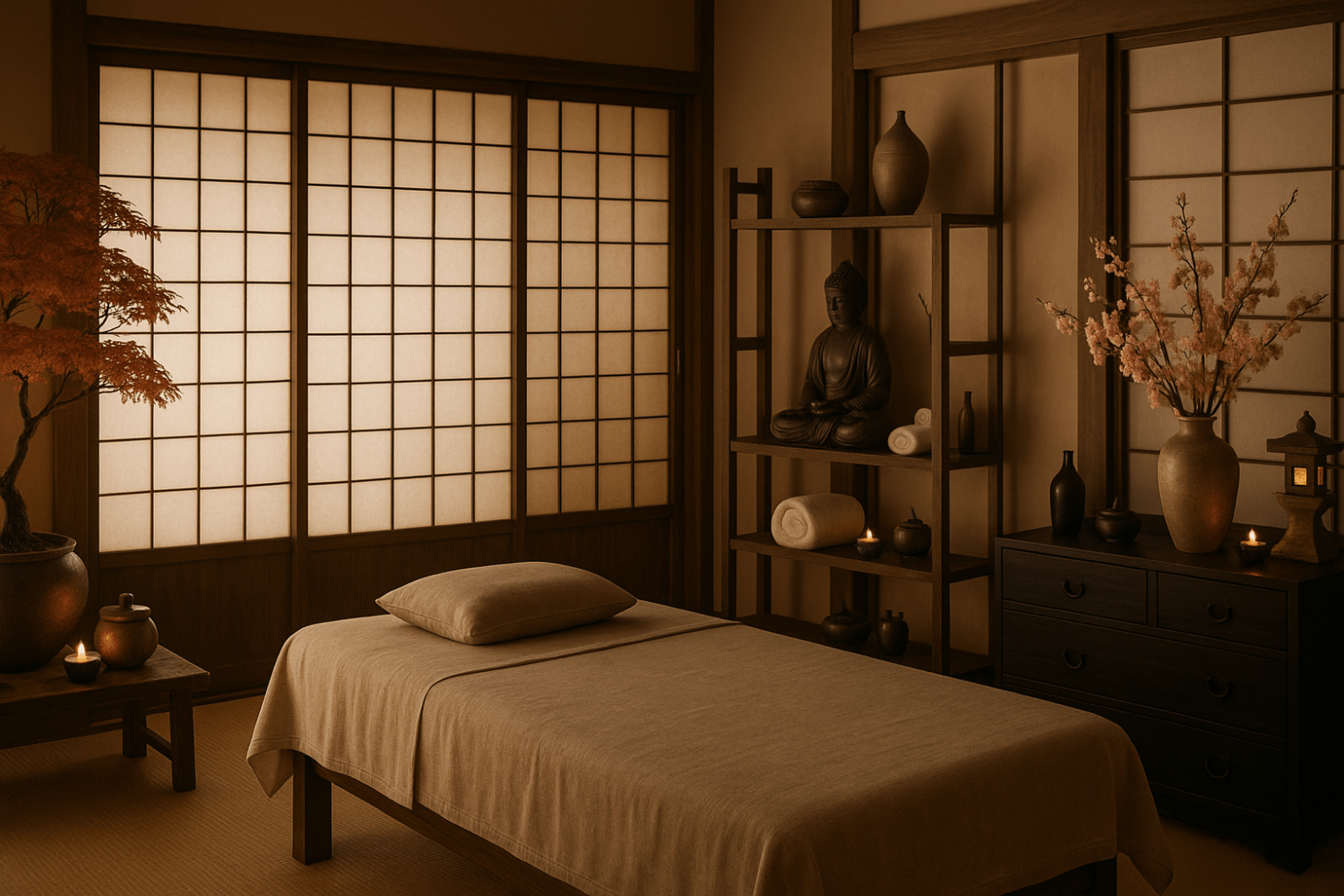
In today’s fast-paced world, stress, tension, and fatigue have become all too common. Many turn to quick fixes or digital distractions to unwind. But what if the real solution lies in ancient traditions that have stood the test of time? Oriental massage therapy, deeply rooted in Eastern philosophies, offers a profoundly healing and rejuvenating experience that connects the body, mind, and spirit.
What Is Oriental Massage?
Oriental massage refers to a range of therapeutic techniques originating from East Asia—primarily China, Japan, Thailand, and India. These therapies focus on the flow of energy (or “Qi” in Chinese and “Ki” in Japanese) through the body’s meridians or energy lines. Unlike many Western massages that target muscles and soft tissues alone, oriental massage aims to balance internal energy, enhance circulation, and promote holistic well-being.
“The body is your temple. Keep it pure and clean for the soul to reside in.” — B.K.S. Iyengar
Key Types of Oriental Massage
1. Traditional Chinese Massage (Tui Na)
Tui Na is an ancient Chinese form of therapeutic massage that dates back over 2,000 years. It involves rhythmic compression techniques, rolling, kneading, and stretching. Practitioners often focus on specific acupressure points to remove blockages and encourage Qi flow. Tui Na is particularly effective for musculoskeletal conditions, stress relief, and even digestive issues.
2. Shiatsu Massage (Japan)
Shiatsu, meaning “finger pressure” in Japanese, is a massage technique based on the same principles as acupuncture but without needles. By applying pressure with fingers, palms, and thumbs along energy meridians, Shiatsu encourages relaxation, reduces tension, and supports the body’s natural ability to heal itself. It is both deeply relaxing and energising.
3. Thai Massage
Thai massage blends acupressure, Indian Ayurvedic principles, and assisted yoga postures. Unlike conventional massages, Thai massage is performed on a mat on the floor, with both practitioner and recipient fully clothed. The session involves deep stretches, rhythmic pressing, and joint mobilisation. It’s excellent for increasing flexibility and releasing deep-seated tension.
4. Ayurvedic Abhyanga (India)
Abhyanga is a warm oil massage rooted in Ayurvedic medicine. It uses herb-infused oils tailored to a person’s dosha (body constitution) and is performed with long, rhythmic strokes. Abhyanga helps detoxify the body, nourish the skin, and calm the nervous system. It’s especially beneficial when included as part of a larger Ayurvedic detox or “Panchakarma” programme.
Benefits Beyond Relaxation
While the calming effect of oriental massage is undeniable, its benefits go far deeper. Regular treatments may lead to:
- Improved energy flow and vitality
- Better posture and flexibility
- Relief from chronic pain and tension
- Enhanced mental clarity and emotional balance
- Boosted immunity and digestion
Unlike many one-size-fits-all therapies, oriental massage treats each individual holistically. Whether you’re experiencing physical discomfort, emotional stress, or spiritual fatigue, there’s a technique that can support your journey toward balance and harmony.
What to Expect During a Session
Your first session will usually begin with a short consultation to assess your energy levels, lifestyle, and any health concerns. Depending on the style of massage, you might lie on a massage table, floor mat, or futon. In some traditions, oils are used; in others, you remain clothed. Most sessions last between 60 to 90 minutes, leaving you feeling deeply refreshed, lighter, and more centred.
Final Thoughts
Oriental massage is much more than a physical treatment—it’s a pathway to inner peace, balance, and renewal. These time-tested techniques offer a unique opportunity to disconnect from the outside world and reconnect with yourself. Whether you’re dealing with stress, pain, or simply seeking tranquillity, exploring the world of oriental massage could be one of the most rewarding decisions you make for your well-being.
So why not step away from the noise and chaos for a while? Let the ancient hands of Eastern wisdom guide you back to your natural state of harmony.