


A calm, practical guide for everyday life in London
Why daily tension builds up so quickly
Modern life in London moves at a remarkable pace. Commuting, long desk hours, constant notifications, and the city’s background buzz all add up. Muscles respond to this steady stream of small stressors by tightening, even when you feel relatively calm. Shoulders creep upwards, the jaw clenches, and breathing becomes shallow without you noticing. Over days and weeks this mild, protective tightening can harden into habitual tension, which then feeds back into the nervous system and perpetuates the cycle.
When tension persists, the body spends more time in a low-level “alert” state. Concentration dips, sleep becomes lighter, and irritation arrives faster. Many people in London describe a sense of carrying the day on their back or wearing stress like a heavy coat. A relaxing massage interrupts that pattern by sending clear, physical signals of safety, comfort, and ease to the body and mind.
What a relaxing massage actually does
A relaxing massage uses long, flowing strokes, gentle kneading, and unhurried pacing to coax the nervous system towards rest. Pressure is comfortable rather than intense, and the rhythm is consistent and predictable. The skin, fascia, and superficial muscle layers all receive steady input that down-regulates the stress response. Breathing deepens, heart rate gradually slows, and the mind begins to wander rather than grip.
This style differs from deep tissue work, which aims to target specific adhesions or stubborn knots. Deep work can be invaluable at the right moment, yet it is not always what an overwhelmed system needs. A relaxing approach tells the body that it is safe to let go, which often unlocks more lasting ease than pushing hard against resistance. Many Londoners find that a gentle session leaves them moving more freely than a forceful one because the nervous system has been invited to participate rather than defend.
Benefits you can feel the same day
Relaxing massage offers a blend of quick wins and cumulative gains. On the day of your session you are likely to notice softer shoulders, an easier neck, and a pleasant heaviness in the limbs. People often report that familiar aches drift to the background and that their mood feels more spacious. Hydration and a short walk afterwards help extend that comfort through the evening.
Sleep is one of the clearest benefits. By easing you into a calmer state, a relaxing massage can help you fall asleep faster and sleep more deeply. Better sleep then supports focus the next day, which reduces the need to strain, and the cycle of tension begins to unwind. Many clients in London book late-afternoon or early-evening sessions because the transition into night feels natural and unforced.
How it supports movement and posture
Daily tension is rarely about a single tight muscle. It is more often a pattern: rounded shoulders at the laptop, a tucked pelvis on the Tube, or a fixed gaze at a bright screen. Relaxing massage helps by improving tissue glide and reminding the body of comfortable ranges of motion. When the superficial layers are less guarded, simple movements like turning the head or reaching overhead feel smoother. That ease invites better posture without effort, because the body no longer needs to brace to feel stable.
Light joint mobilisation, gentle stretching, and rhythmic strokes around the hips, ribs, and shoulder blades are especially helpful for desk workers. None of this needs to be strong to be effective. Subtle, well-timed techniques often create the biggest sense of relief because they respect how protective the body can be under stress.
The role of aromatherapy and calm surroundings
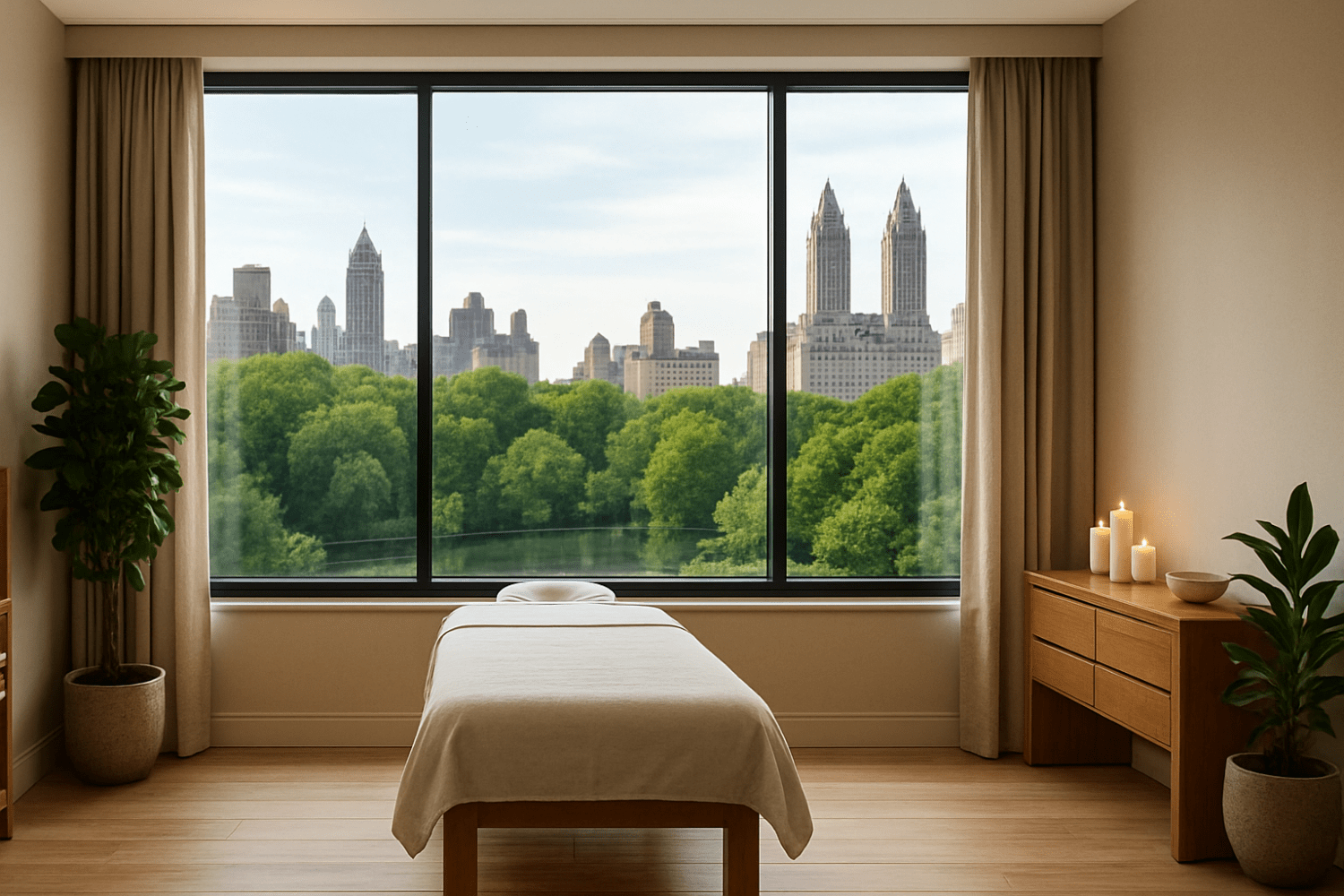
Scent can quietly support relaxation when used with care. Aromatherapy massage pairs light pressure with essential oils chosen for comfort, such as lavender, bergamot, or frankincense. The goal is not to overwhelm the senses but to offer a consistent, soothing backdrop that helps the mind settle. Soft lighting, warm linens, and minimal conversation also contribute to the feeling of being unhurried and looked after.
In London, where pace is the default, the environment of the session matters almost as much as the technique. A tidy, quiet room and a practitioner who moves slowly and communicates clearly create an immediate sense of safety. That safety is the foundation of therapeutic change.
What to expect during a session
Before any hands-on work begins, you will be invited to share goals and preferences. Pressure is always adjustable, and you can ask for more time on areas that carry your day, such as the upper back, neck, scalp, and feet. A typical relaxing massage flows in a logical sequence so that each region prepares the next. There is no rush, and there are no sudden changes in pace. You remain covered except for the area being worked, and your comfort guides the session from start to finish.
Good communication is simple and respectful. You can speak up at any time, and you do not need special language to do so. If something feels too warm, too cool, too quiet, or too bright, a small adjustment can make a big difference. A thoughtful approach values your sense of ease above all else.
Practical tips for easing tension between sessions
- Breathe lower and slower. Place a hand on your stomach and let the breath gently expand under your palm. A few minutes of this reduces jaw and shoulder bracing.
- Take posture breaks. Stand, roll the shoulders, look far away for thirty seconds, and sit again with both feet grounded. Small resets prevent build-up.
- Use heat wisely. A warm shower or a light heat pack across the upper back softens protective tone and prepares the body for rest.
- Walk after work. Ten quiet minutes around your neighbourhood in London helps transition from task mode to evening mode.
- Hydrate and stretch gently. Water and slow, painless stretches help tissues maintain the easy glide you gain during a session.
How often to book in London
Frequency depends on your lifestyle and how quickly tension returns. Many people choose a relaxing massage every two to four weeks to stay ahead of build-up. If you are in a demanding period, weekly sessions for a short time can help you reset, after which you can space them out. Consistency matters more than intensity. A regular, calm appointment in your calendar often prevents the need for urgent relief later.
Finding the right professional
Look for a practitioner who listens, explains their approach, and welcomes feedback. Clear, calm communication is a strong indicator that your comfort will be prioritised. Reviews can be useful, yet your own sense of ease in the first few minutes often tells you more. If you prefer mobile massage at home in London, confirm how the room will be set up and what you should provide, such as space, access to warm water, and quiet.
When to seek medical advice
Relaxing massage is a supportive wellness service rather than a medical treatment. If you have unexplained pain, numbness, acute injury, fever, or a condition under investigation, speak with a healthcare professional first. If you are pregnant or have specific health concerns, let your practitioner know so that the session can be adapted appropriately.
A gentle conclusion
Daily tension is not a personal failing. It is a predictable outcome of busy, modern routines, especially in a city like London. A relaxing massage helps by inviting your body to release its grip and remember the feeling of comfort. With steady sessions, simple at-home habits, and a kinder pace where you can find it, the load you carry begins to lighten. Ease becomes familiar again, and ordinary days feel more spacious.