


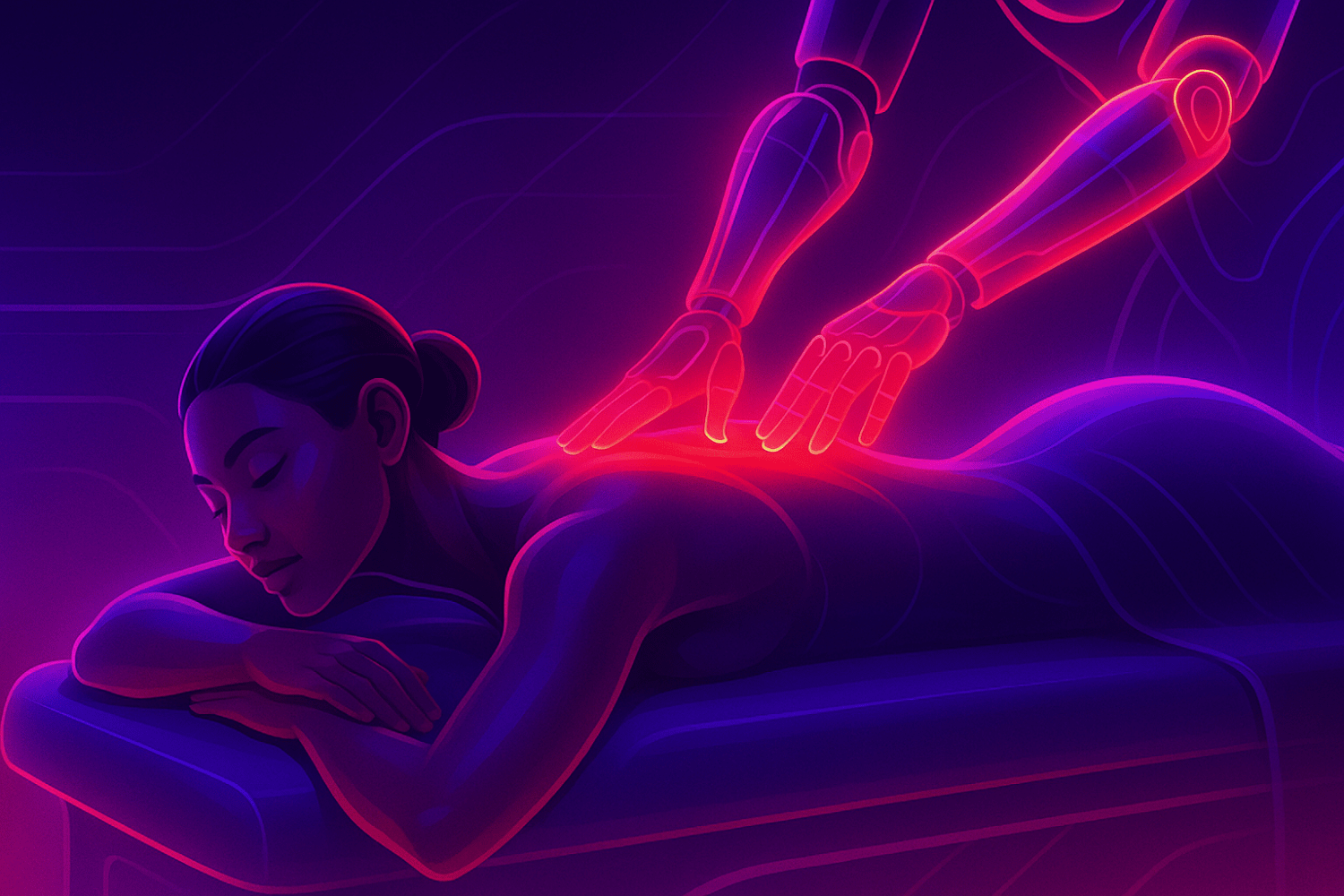
Why massage belongs in a modern self-care plan
Massage is more than a brief escape from a busy week, it is a practical way to support the body’s natural recovery systems and to quieten a stressed mind. While no single therapy is a magic fix, regular massage can complement exercise, sleep, and nutrition to form a well-rounded wellbeing routine. People often report less tension, easier movement, and a more settled mood after even a single session, and these day-to-day wins add up over time.
The core idea is simple, skilled touch can influence muscles, fascia, and the nervous system. By working with soft tissues, a therapist encourages circulation, eases guarding patterns, and helps the brain recalibrate its sense of safety and comfort. The result is often a mix of physical ease and mental clarity that feels both restorative and sustainable.
How massage supports the body
Muscle relief is the best known benefit, yet the story is richer than that headline. Targeted pressure and gentle stretching can reduce perceived stiffness, improve joint range, and restore fluid movement after long hours at a desk or a demanding workout. By improving local blood flow and lymphatic drainage, massage assists with the transport of nutrients and the removal of metabolic by-products, which supports tissue recovery.
Posture is another everyday winner. Many of us carry the same positions for hours, shoulders rounded, hips tight, and necks craned. Massage helps interrupt these habits by relaxing overworked areas and waking up underused ones. When combined with a few simple mobility drills, you can stand taller and move with less effort throughout the day.
Athletes and keen exercisers can also benefit. Pre-event techniques can prime tissues for movement, while post-event approaches focus on reducing soreness and promoting recovery between sessions. Over the long term, this can support consistent training with fewer niggles getting in the way.
How massage calms the mind
Stress management is where massage truly shines. Slow, rhythmic touch can nudge the nervous system towards a rest and digest state, lowering perceived stress and supporting better sleep. Many clients leave a session feeling grounded and clear headed, which can improve focus and patience in daily life. Sleep quality often follows suit, and even small improvements in sleep can have wide-reaching effects on energy, mood, and decision making.
There is also a gentle mindfulness built into every session. Paying attention to breath and bodily sensations helps you reconnect with what your body is telling you, a skill that reduces overreactions to discomfort and supports more measured responses to everyday pressures.
Different styles, one shared goal
There are many ways to deliver effective massage, and the best choice depends on your goals and preferences. Swedish massage uses long, flowing strokes for general relaxation and circulation support. Deep tissue focuses on slower, firmer pressure to address stubborn tightness and long-held patterns. Sports massage blends assessment with targeted techniques to keep you moving well through a training cycle. For relaxation without oil, traditional options like Thai-inspired stretching offer assisted mobility on a floor mat.
No style is universally superior, the most important factor is how well the therapist adapts the session to your body, pressure comfort, and aims for the day. Clear communication before and during the treatment helps shape the session so it lands just right.
What the evidence suggests
Research on massage continues to grow, and while not every study is perfect, a consistent picture is emerging. Many trials report short-term reductions in pain and anxiety, improvements in perceived wellbeing, and modest gains in function for common issues like low back discomfort and neck tension. The effects are often greatest when massage is part of a broader plan that includes movement, sleep care, and sensible workload management.
In other words, massage is a helpful contributor rather than a solo act. This perspective is empowering, it means you can combine therapies with everyday habits to create reliable progress over weeks and months.
How to get more from every session
- Be clear on your aim, decide whether you want deep relaxation, targeted problem solving, or light recovery work.
- Communicate pressure preferences, speak up early, comfort is not a luxury, it is essential for your nervous system to settle.
- Arrive a little early, a calm start prevents rushing and helps your body shift gears before the hands-on work begins.
- Breathe slowly during the session, steady breathing reduces guarding and lets tissues soften without a fight.
- Move gently afterwards, a short walk and a glass of water can lock in the relaxed, open feeling.
- Build a rhythm, a session every few weeks keeps benefits topped up better than a once-a-year rescue visit.
Who should be cautious
Massage is generally safe for healthy adults, but a few situations call for caution or a quick chat with a clinician. Recent acute injuries, open wounds, skin infections, uncontrolled health conditions, and certain circulatory issues may require adjustments or a brief delay. Pregnancy massage is a specialised skill, so look for a therapist trained in supporting expectant clients. Always share your medical history, medications, and any new symptoms so your therapist can tailor the session responsibly.
Simple ways to continue the benefits at home
Between sessions, gentle movement keeps tissues lively and your nervous system confident. Aim for regular walking, a few mobility drills for hips and shoulders, and breaks from long sitting. A tennis ball or soft roller can provide light self-massage, focus on comfort rather than force. Pair these with consistent sleep and balanced meals, and you will create a foundation that makes every professional session go further.
The bottom line
Massage is a grounded, human way to feel and function better. It eases tightness, supports recovery, and helps your mind unwind, making everyday life a little lighter and more enjoyable. When used regularly and paired with healthy routines, the benefits are not just pleasant, they are practical and lasting. Choose a qualified therapist, communicate clearly, and treat each session as part of a broader plan for your long-term health. Your body and mind will thank you for the investment.