


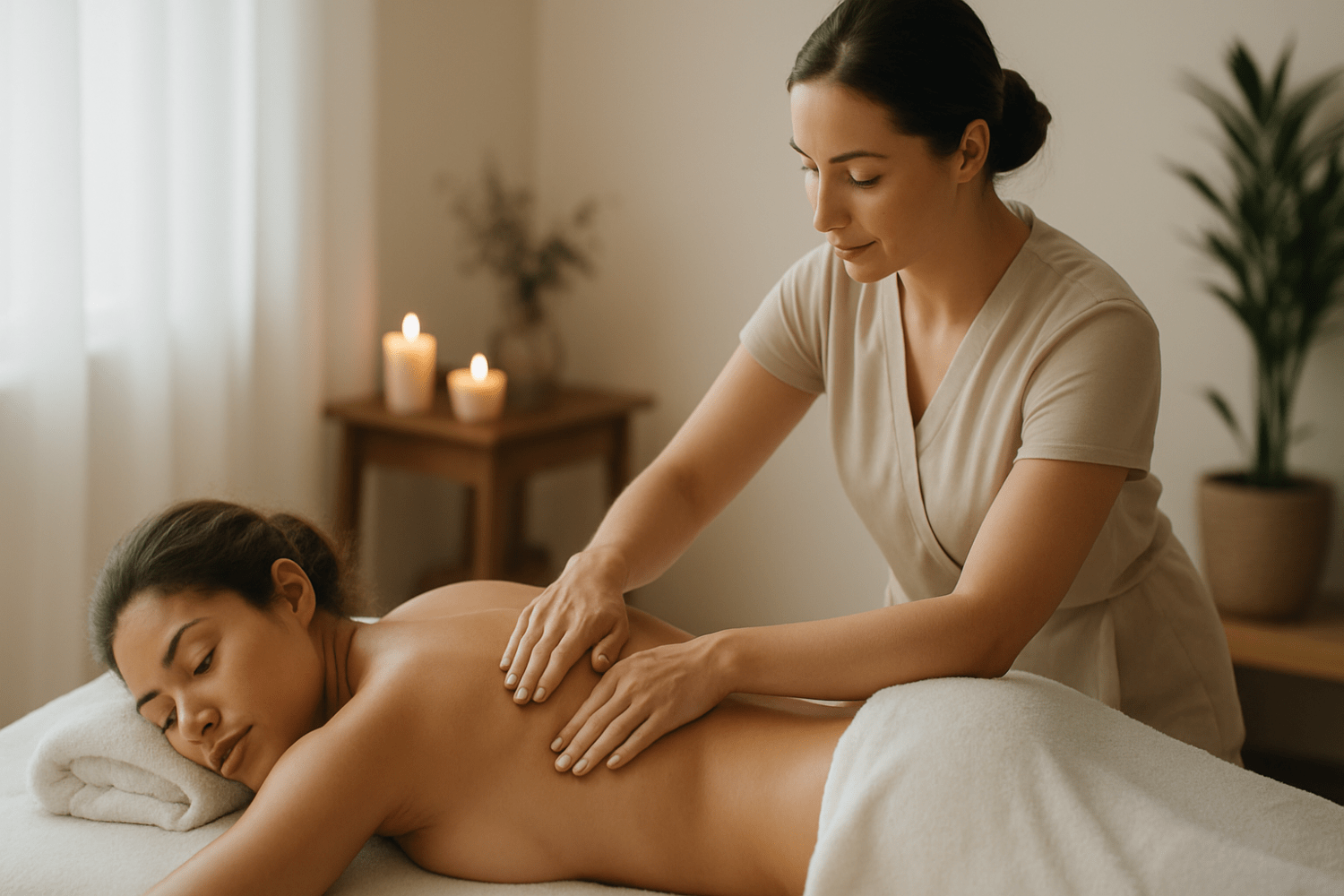
Massage therapy is no longer a rare indulgence reserved for spa days and holidays—it’s a powerful tool for long-term wellness. Whether you’re seeking pain relief, stress reduction, or simply a way to unwind after a long week, regular massages offer measurable benefits that go far beyond short-term relaxation.
But one of the most common questions we hear at Luxe Massage is: “How often should I get a massage to actually see lasting results?” The answer depends on your goals, lifestyle, and overall health—but there are clear guidelines that can help you build the ideal massage routine.
Listen to your body, not the calendar
Every person is different. Some clients feel completely refreshed after a single session, while others need consistent treatments to address chronic issues. The key to finding your rhythm is understanding why you’re booking a massage in the first place.
Are you dealing with a sports injury, anxiety, or chronic back pain? Or are you simply looking to de-stress and treat yourself to a moment of calm each month? Your intention will guide the frequency.
General recommendation: once every 2–4 weeks
For most people without significant physical issues, a massage every two to four weeks provides a good balance. This allows the body to recover, reset, and retain the benefits without letting too much tension build up between sessions.
Many of our clients book a 90-minute massage every three weeks as part of their wellness routine. It’s long enough to treat multiple areas of tension, and frequent enough to make a noticeable difference in posture, energy, and overall well-being.
If you suffer from chronic pain or injury
For those managing specific issues like muscle tightness, sciatica, fibromyalgia or post-injury rehabilitation, more frequent sessions are often needed—especially at the beginning of a treatment plan.
In these cases, we typically recommend:
- 1 to 2 massages per week for the first 2 to 4 weeks
- Followed by fortnightly or monthly maintenance sessions
This helps break the cycle of pain and inflammation while improving circulation and mobility. Over time, as symptoms decrease, you can reduce the frequency without losing results.
Stress and mental health support
Massage has been shown to reduce cortisol levels and increase serotonin and dopamine—making it an excellent tool for managing anxiety, burnout, or depression.
For clients prioritising emotional balance, weekly or biweekly sessions work best, particularly during high-stress periods. Regular massage encourages a calm nervous system, deeper sleep, and improved emotional resilience.
We’ve seen many clients in London’s fast-paced work environment choose a Sunday evening massage to reset before the week starts—a practice that works wonders for both body and mind.
Are there risks to getting massages too often?
In general, no—massage is incredibly safe, and most people benefit from more regular treatments rather than fewer. However, it’s important to match the intensity of the massage with your recovery ability.
For example, deep tissue or sports massage may leave the body sore for a day or two. If you’re receiving that style multiple times a week, make sure your therapist is aware and adjusting the pressure accordingly.
If you’re combining massage with physiotherapy, personal training, or other treatments, communication between practitioners is key to avoiding overstimulation.
Building a sustainable self-care routine
Consistency is the secret to seeing results. Booking a single session now and again can offer relief, but it’s the cumulative effects of regular massage that truly transform your body.
Here are a few tips to help you stay consistent:
- Book in advance – Treat massage like any essential appointment
- Choose a therapist who understands your goals
- Mix up techniques – Alternate between deep tissue, aromatherapy, or Lomi Lomi to suit your mood and needs
- Consider a mobile massage – No travel time, no stress, just pure relaxation where you feel most comfortable
At Luxe Massage UK, our mobile service across London makes staying on track incredibly easy. We bring the spa experience to your home or hotel, with all the professionalism and tranquillity of a premium wellness centre.
The takeaway: tailor it to your life
In summary, there is no one-size-fits-all answer—but aiming for every 2 to 4 weeks is ideal for most people. If you’re managing pain, stress, or physical recovery, weekly sessions might be more appropriate until stability returns.
Whatever your situation, the most important thing is to treat massage not as a luxury, but as a form of intentional, ongoing self-care. When integrated into your lifestyle with purpose and consistency, massage becomes not just a treat—but a transformation.